
Affordable Xanthelasma Removal Keighley Treatment | Pinnacle Clinic
Expert Xanthelasma Removal Keighley. Safe, advanced care to treat eyelid cholesterol deposits and restore confidence.
Our Approach To Xanthelasma Removal
Xanthelasma are soft, yellowish cholesterol deposits that usually appear on or around the eyelids. While harmless, they can affect appearance and confidence and, in some cases, may be linked with cholesterol or lipid issues. Many patients choose professional xanthelasma removal in Keighley to restore smoother skin and peace of mind. At Pinnacle Clinic, we provide safe, ethical, and CQC-registered treatments for xanthelasma removal in the UK, performed by qualified doctors. Our approach combines medical expertise with patient-centred care, so every stage—from consultation to aftercare—is designed for comfort and safety.
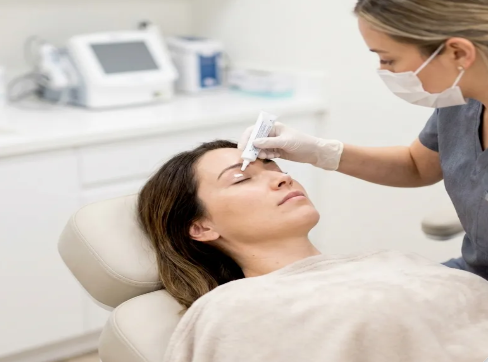
Time: 30 mins
Downtime: Minimal
Lasts: Varies
Results: 2 weeks
- Time: 30 mins
- Downtime: Minimal
- Results: 2 weeks
- Lasts: Varies
Preparing for Xanthelasma Removal Keighley :
Complete UK Guide
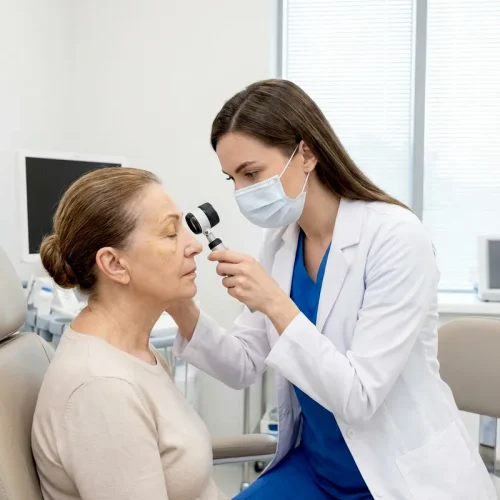
What is Xanthelasma?
Xanthelasma are yellowish plaques of cholesterol that develop under the skin, commonly near the eyelids.
- They are benign (non-cancerous) but can increase in size over time.
- Though not harmful, they may indicate high cholesterol levels and are often removed for cosmetic reasons.
They do not go away on their own, and professional xanthelasma treatment is the most reliable option for removal.
How Does Xanthelasma
Removal Work?
1
Treatment depends on the size, depth, and position of the deposits. At Pinnacle Clinic, we offer several evidence-based options
2
Laser Treatment for Xanthelasma – A precise beam removes cholesterol deposits with minimal damage to surrounding skin.
3
Surgical Excision – For larger or deeper plaques, the area is numbed and the deposit is carefully removed under local anaesthetic.
4
Chemical or Cautery Options – In certain cases, controlled chemical peeling or cautery may be used.
5
Supportive Care – Lifestyle and cholesterol management advice may also be provided if needed
6
Every procedure is carried out with sterile techniques and clear aftercare instructions to reduce recurrence and support healthy recovery.
Other Treatments
Lipoma Removal
Cyst Removal
Skin Tag Removal
Warts Removal
Cherry Angioma Removal
Keloid Scar Removal
Lesion Removal
Milia Removal
Xanthelasma Removal
Other Minor Surgical Procedures
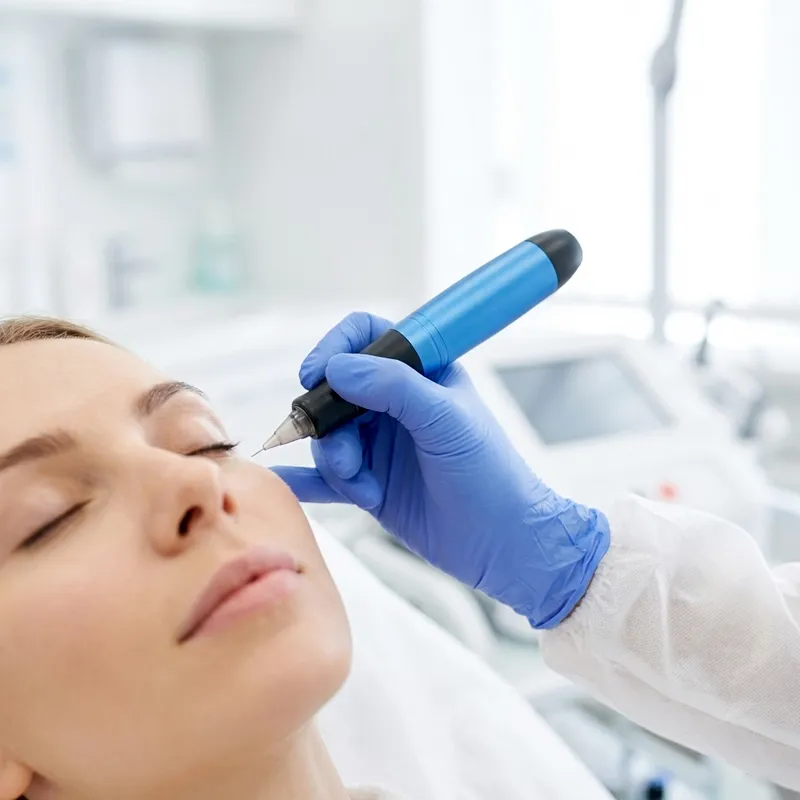
What Happens During the Procedure?
- Consultation & Assessment – Your doctor will review your medical history, examine the xanthelasma, and explain suitable options.
- Anaesthetic & Preparation – Local anaesthetic is applied so the treatment is comfortable and virtually pain-free.
- Removal – Depending on the chosen method (laser, excision, or cautery), the deposit is removed carefully to minimise scarring.
- Aftercare Guidance – A light dressing may be applied, and you’ll be given instructions on wound care, sun protection, and recovery.
Most procedures take 20–40 minutes, and patients usually go home the same day.
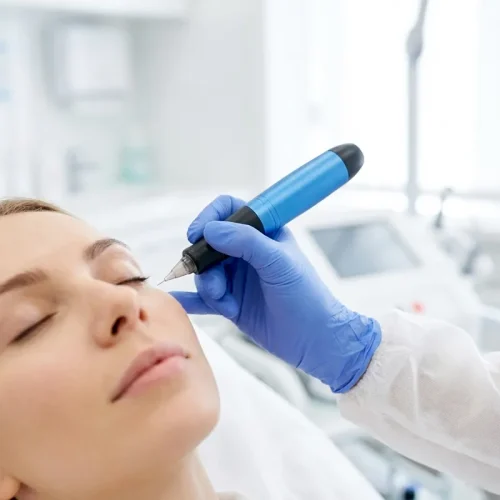
Possible Risks & Complications
All procedures carry small risks, but serious complications are rare. Potential issues include:
- Mild redness, swelling, or temporary tenderness.
- Small scar formation (usually fades over time).
- Rare recurrence of xanthelasma, even after removal.
- Rare infection (minimised with aftercare guidance).
Aftercare & Follow-Up
- Keep the area clean and dry for 24–48 hours.
- Avoid rubbing or scratching the treated area.
- Use sun protection to reduce pigmentation risk.
- Attend follow-up if recommended for stitch removal or review.
Our doctors ensure you have written and verbal aftercare instructions for peace of mind.
Cost of Xanthelasma Removal in the UK
The xanthelasma removal cost in the UK varies depending on treatment type, size, and number of deposits. At Pinnacle Clinic:
- Prices are always discussed clearly during consultation.
- No hidden fees or “extra” charges.
- Affordable options for patients in Keighley, Bradford, and surrounding areas.
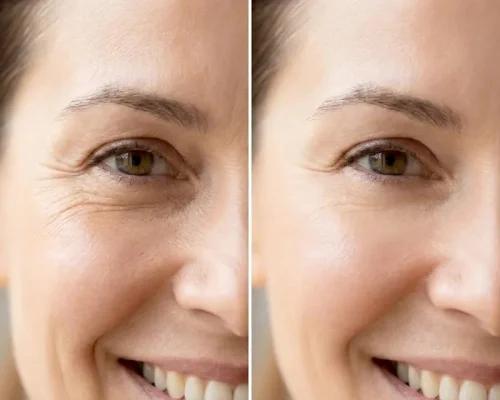
Results You Can Expect
- Smoother skin in the treated area.
- Minimal scarring with professional techniques.
- Improved appearance and confidence.
- Reduced chance of recurrence with proper aftercare.
Frequently Asked Questions
What is dermaplaning?
Dermaplaning is a professional exfoliation treatment that gently removes dead skin cells and fine facial hair using a sterile medical blade. It leaves the skin feeling smoother, brighter, and more refreshed.
Is dermaplaning painful?
Dermaplaning is not painful at all. Most patients describe the treatment as comfortable and relaxing, with only a light scraping sensation during the procedure.
Does hair grow back thicker?
No. Dermaplaning does not change the thickness, colour or growth pattern of facial hair. Hair grows back in the same way it naturally would.
How often can I have dermaplaning?
Dermaplaning is usually recommended every three to four weeks. This allows the skin to fully renew and maintain a smooth, healthy texture over time.
Is dermaplaning suitable for acne-prone skin?
Dermaplaning can be suitable for some acne-prone skin types, but not all. A professional consultation is important to assess your acne type and ensure treatment is safe for your skin.
Start Your Journey
Start your journey by booking a consultation with our expert practitioners!
Send us a message
We would love to hear from you, you can email or complete our contact form if you have any enquiries or you can book an appointment straight into our diary.