When a lump, cyst, or skin lesion is removed, patients often hear the word “histology” and feel uncertain about what it means. Histology plays a vital role in modern medicine by confirming exactly what type of tissue has been removed and whether any further care is needed.
This guide explains what histology is, how it works, and why it provides reassurance and safety after minor surgical procedures.
What Is Histology?
Histology is the laboratory examination of human tissue under a microscope. It allows specialist doctors, known as pathologists, to study cells in detail and determine whether a lesion is benign, pre-cancerous, or shows any abnormal changes.
Histology is an essential part of safe medical care and helps guide further treatment decisions when needed.
Why Is Histology Important?
Many skin lumps and growths look harmless on the surface. However, some conditions can appear similar to benign lesions. Histology confirms the true nature of the tissue and ensures that no serious changes are missed.
It provides peace of mind for patients and allows clinicians to act early if further treatment or monitoring is required.
When Is Histology Recommended?
Histology is often recommended after the removal of cysts, moles, lipomas, skin lesions, and other growths. It may also be advised if a lesion has changed in size, colour, or shape, or if there is any uncertainty about its nature.
How Does Histology Work?
Once tissue is removed, it is immediately placed into a medical preservative solution to protect the cells. The sample is carefully labelled and securely transported to an accredited UK laboratory.
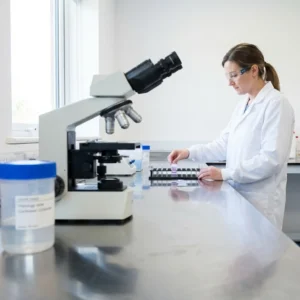
At the laboratory, specialist pathologists prepare the tissue by slicing it into very thin sections, staining it with medical dyes, and examining it under high-powered microscopes. This allows them to identify cellular patterns and determine whether the tissue is normal, benign, or shows abnormal changes.
A formal histology report is then prepared and sent back to your clinician.
What Happens During the Process?
The tissue sample is taken during your minor surgical procedure in a sterile environment. It is preserved, labelled, and transported securely to the laboratory for analysis.
Once the report is complete, your clinician will contact you, explain the findings clearly, and advise if any further care, monitoring, or referral is needed.
How Long Do Results Take?
Histology results typically take between 7 and 14 days. The time may vary depending on the complexity of the sample and laboratory processing requirements.
What Do Histology Results Mean?
Results may confirm that the tissue is benign, which means no further treatment is required. If any abnormal or pre-cancerous changes are found, your clinician will discuss appropriate next steps, which may include monitoring, further removal, or referral to a specialist service.
Is Histology Safe?
Histology itself carries no risk to the patient. It is a diagnostic laboratory process that enhances safety by ensuring accurate diagnosis and appropriate care.
Histology at Pinnacle Clinic Keighley
At Pinnacle Clinic Keighley, all tissue samples are handled in accordance with strict medical protocols and sent to accredited UK laboratories for reliable analysis. Clear communication and patient reassurance are always prioritised.
Conclusion
Histology is a vital part of safe skin and minor surgical care. It provides accurate diagnosis, early detection, and peace of mind by confirming the nature of the removed tissue.
If you have had a lesion removed and histology has been recommended, it is an important step in protecting your long-term health.