Pregnancy brings many changes to the body, and skin is no exception. Hormonal shifts can trigger breakouts even in people who never struggled with acne before. For others, existing acne may worsen during pregnancy. This often leads to understandable concern about what are the safe treatments for acne during pregnancy and how to manage breakouts responsibly.
Knowing the safe treatments for acne during pregnancy is essential, as some common acne medications are not suitable during this time. This guide explains what you can safely use, what to avoid, and how to care for your skin without risking harm.
Why Acne Can Worsen During Pregnancy
Hormones play a major role in acne. During pregnancy, increased levels of progesterone can stimulate oil production. When excess oil combines with dead skin cells, pores become blocked and bacteria can multiply, leading to breakouts.
Stress, changes in routine, and sensitivity to products can also contribute. Because these changes are temporary, pregnancy acne often improves after birth, but proper management can help reduce discomfort and scarring.
The Importance of Choosing Pregnancy-Safe Treatments
Not all acne treatments are safe during pregnancy. Some ingredients can be absorbed into the bloodstream and may affect fetal development. This is why professional advice and cautious product selection are so important.
Safe treatment focuses on calming inflammation, keeping pores clear, and supporting the skin barrier rather than aggressive or fast-acting solutions.
Gentle Skincare as the Foundation
The safest place to start is a gentle daily skincare routine. Using a mild, fragrance-free cleanser twice a day helps remove excess oil without stripping the skin. Harsh scrubs and strong exfoliants should be avoided, as they can irritate already sensitive pregnancy skin.
A light, non-comedogenic moisturiser helps maintain balance and prevent the skin from overproducing oil in response to dryness.
Pregnancy-Safe Topical Treatments
Certain topical ingredients are considered safe when used correctly during pregnancy. Azelaic acid is commonly recommended because it helps reduce inflammation, unclog pores, and improve pigmentation without known risks to pregnancy. It is often prescribed for both acne and acne-related redness.
Low-strength benzoyl peroxide may be used in limited amounts under medical guidance. It works by reducing acne-causing bacteria and is generally considered low risk when applied topically.
Glycollic acid, in low concentrations, can help with gentle exfoliation and texture. It should be used cautiously and not combined with other active treatments unless advised.
Treatments That Should Be Avoided
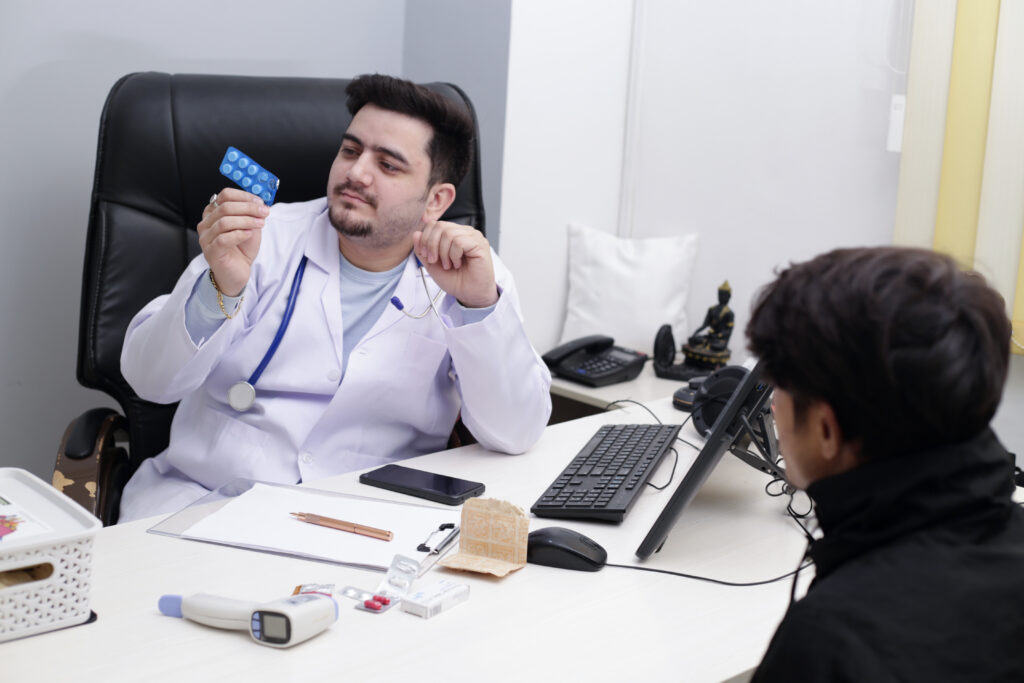
Some acne treatments should not be used during pregnancy due to potential risks. Retinoids, including topical and oral forms, must be avoided completely. Isotretinoin and similar medications are known to cause serious harm during pregnancy.
Salicylic acid in high concentrations, oral antibiotics used for acne, and hormonal treatments are also generally avoided unless specifically approved by a healthcare professional.
Always check with a clinician before continuing or starting any acne medication while pregnant.
Professional In-Clinic Treatments During Pregnancy
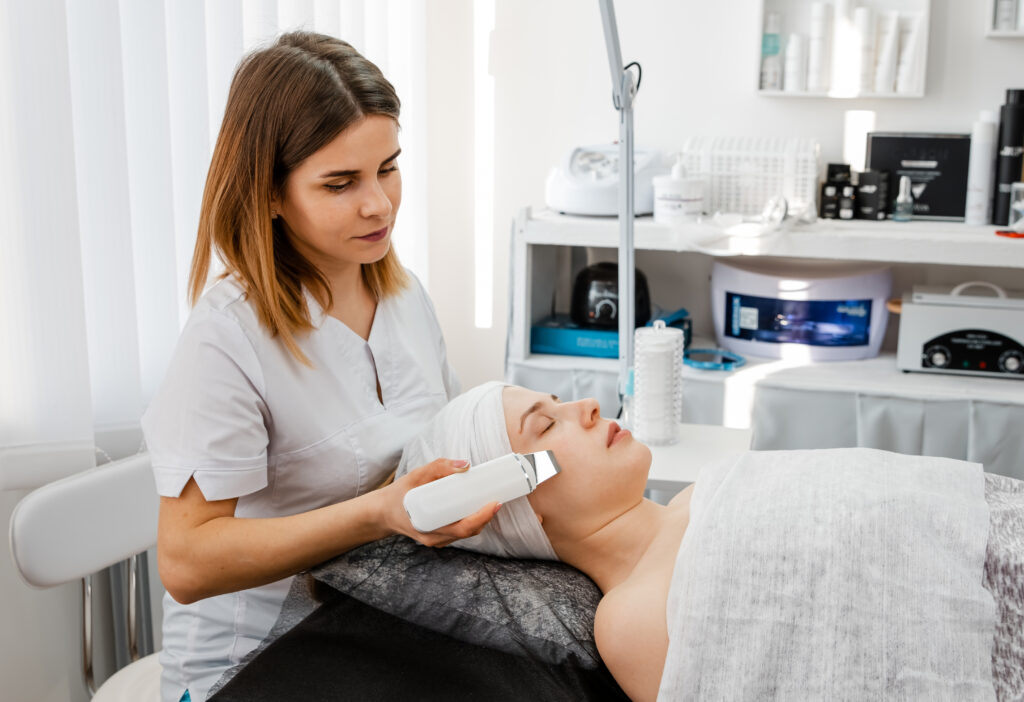
Certain non-invasive treatments may be suitable during pregnancy when performed professionally. Gentle facials focused on cleansing and hydration can help manage congestion safely. Blue light therapy is sometimes considered because it targets bacteria without chemicals, but suitability should always be assessed individually.
Treatments such as chemical peels, microneedling, and laser are usually postponed until after pregnancy due to lack of safety data or increased skin sensitivity.
Managing Acne Without Medication
Lifestyle adjustments can support skin health during pregnancy. Avoiding heavy makeup, choosing oil-free products, keeping pillowcases clean, and managing stress can reduce flare-ups. Staying hydrated and following a balanced diet also supports overall skin condition.
Importantly, picking or squeezing spots should be avoided, as this increases the risk of infection and scarring.
When to Seek Professional Advice
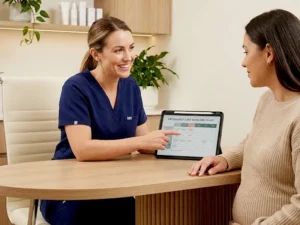
If acne becomes painful, widespread, or affects your confidence, professional advice is recommended. A clinician can assess your skin and suggest pregnancy-safe options tailored to your needs.
Because pregnancy affects everyone differently, personalised guidance ensures both safety and effectiveness.
Acne Care During Pregnancy at Pinnacle Clinic Keighley
At Pinnacle Clinic Keighley, we take a cautious, supportive approach to pregnancy skincare. Treatments and recommendations are always chosen with safety as the top priority, ensuring both mother and baby are protected.
Our focus is gentle management, realistic expectations, and long-term skin health rather than aggressive short-term fixes.
Conclusion
Managing acne during pregnancy can feel challenging, but safe options do exist. The safe treatments for acne during pregnancy focus on gentle skincare, approved topical ingredients, and professional guidance. While stronger treatments may need to wait until after birth, careful management now can keep skin calm and healthy throughout pregnancy.
If you are unsure about a product or treatment, professional advice is always the safest next step.