Facial cysts are common and can be frustrating, especially when they become swollen, painful, or noticeable. Many people try home remedies or attempt to squeeze the cyst, which often makes things worse. If you’ve been searching how to remove a cyst from your face, the most important thing to know is that safe removal should always be done by a trained medical professional not at home.
In this guide, we explain what facial cysts are, why they form, what removal involves, and how to prevent them from coming back.
1. What Exactly Is a Facial Cyst?
A facial cyst is a small sac under the skin that contains fluid, keratin, or oil. The most common types are:
- Epidermoid cysts (from blocked skin cells)
- Sebaceous cysts (from blocked oil glands)
- Inflammatory cysts linked to acne
They often appear as smooth, round lumps beneath the skin. They may stay small or gradually get larger. Most are harmless but can become inflamed or infected.
2. How to Remove a Cyst From Your Face Safely
The only safe and effective way to remove a facial cyst is through medical removal by a trained clinician.
There is no cream, home device, or DIY method that removes a cyst completely.
When people ask how to remove a cyst from your face, they often hope for a home solution but attempting this can cause scarring, infection, or permanent damage.
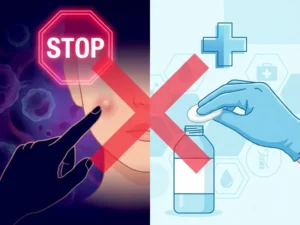
3. Why You Should Never Squeeze or Pop a Cyst
A cyst is different from a pimple.
Squeezing it pushes the contents deeper into the skin, leading to:
- Infection
- Pain
- Inflammation
- Permanent scarring
- A larger, harder cyst
Infections on the face can be serious, especially around the mouth, nose, and eyes.
Never attempt removal yourself.
4. Medical Treatments for Facial Cysts
Treatment depends on the cyst type, size, and whether it’s inflamed or infected. Common medical options include:
→ Cyst Drainage
If the cyst is large or painful, a small incision may be made to release the trapped fluid. This gives relief but does not remove the cyst wall meaning it may return.
→ Steroid Injection
A steroid may be injected to reduce inflammation and swelling. This is useful for painful or inflamed cysts but does not remove the cyst completely.
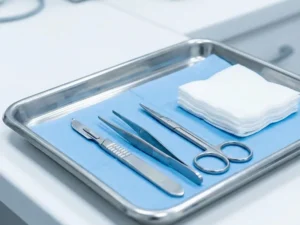
→ Complete Surgical Removal
The most effective treatment.
A tiny incision is made, and the cyst and its capsule are removed. This prevents it from returning and leaves minimal scarring when done professionally.
→ Antibiotics (Only if infected)
If the cyst is red, hot, and painful, antibiotics may be required before removal.
A clinician will assess your skin and recommend the safest option.
5. Can a Facial Cyst Go Away On Its Own?
Some small cysts shrink over time, especially if they aren’t inflamed.
However, most remain until they are treated properly. They may stay stable for months or grow slowly.
Waiting is only advised if:
- The cyst is small
- It is not painful
- It is not growing
If you’re unsure, a quick assessment with a clinician is best.
6. What Causes Facial Cysts?
Several factors may contribute:
- Blocked pores
- Trapped keratin
- Hormonal changes
- Oily skin
- Acne
- Skin trauma
- Genetics
Understanding the cause helps prevent future cysts.
7. Aftercare: Looking After Your Skin After Removal
After professional removal, your clinician will give clear aftercare instructions. These usually include:
- Keeping the area clean
- Avoiding makeup for 24–48 hours
- Using mild cleansers
- Avoiding picking or touching the area
- Following any dressing or ointment instructions
Proper aftercare helps minimise scarring and reduces the chance of recurrence.
8. Can Cysts Come Back After Removal?
If a cyst is fully removed — including the capsule — recurrence is unlikely.
If only drained, or if part of the capsule remains, it may return.
A proper removal by an experienced clinician lowers this risk significantly.
9. When Should You Seek Medical Advice?
You should book an appointment if your cyst:
- Is growing
- Becomes painful
- Turns red or hot
- Starts leaking fluid
- Is on a sensitive area like near the eye
- Affects your confidence or comfort
- Has been squeezed and now looks worse
A simple assessment can confirm the best treatment.
Conclusion
So, how to remove a cyst from your face?
The safest and most effective method is professional removal by a trained clinician. Home remedies and squeezing do not work and often cause more harm than good. With proper treatment and aftercare, facial cysts can be removed safely with minimal scarring.
If you’re worried about a cyst or want it treated, the team at Pinnacle Clinic Keighley can provide clear advice and safe, regulated care.