Waiting for medical test results can be one of the most stressful parts of any treatment journey. When you’ve had a biopsy or a minor surgical procedure, it’s natural to feel anxious and start wondering how long histology tests take. Many patients feel uncertain during this waiting period, especially when they do not fully understand what histology involves or why it takes time.
In this detailed guide, we explain exactly what histology testing is, how long it usually takes in the UK, why delays can happen, and what you can expect while waiting for your results.
What Is Histology Testing?
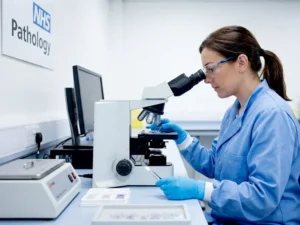
Histology is the scientific study of tissues under a microscope. When a tissue sample is taken from the body during a biopsy or surgical procedure, it is sent to a specialised laboratory for histological examination. There, expert doctors known as pathologists carefully analyse the tissue structure, looking for abnormal cells, inflammation, infection, or signs of cancer.
Histology plays a crucial role in medical diagnosis. It helps doctors confirm whether a condition is benign or serious, identify disease patterns, and determine the most appropriate treatment plan. Because these results can significantly affect medical decisions, histology testing must be carried out with precision, accuracy, and strict quality control.
How Long Do Histology Tests Take in the UK?
In most cases, histology test results in the UK take between five and fourteen working days. The exact timeframe depends on several factors, including the type of tissue, the complexity of the sample, and the laboratory workload.
For straightforward cases such as small skin lesions, cysts, or simple lumps, results often return within five to seven working days. However, more complex tissue samples may take closer to ten to fourteen working days, especially if further testing is required.
Although waiting can feel frustrating, this time is necessary to ensure that the results are reliable, detailed, and clinically safe.
Why Do Histology Tests Take Time?
Histology is a detailed, multi-step process that cannot be rushed. Once the tissue sample arrives at the laboratory, it goes through several essential stages.
First, the tissue is preserved using a special solution to prevent deterioration. This step is critical because poorly preserved tissue can lead to inaccurate results. Next, the sample undergoes processing, where it is dehydrated and embedded in wax. This allows technicians to cut the tissue into extremely thin sections that can be examined under a microscope.
After sectioning, the tissue slices are stained using specialised dyes that highlight different structures within the cells. These stains allow the pathologist to detect subtle abnormalities that would otherwise be invisible. Finally, the pathologist examines the slides carefully and prepares a detailed diagnostic report.
Each of these steps takes time, and rushing any part of the process could compromise accuracy. This is why histology testing often takes several days to complete.
What Can Cause Delays in Histology Results?
While most results are available within two weeks, some situations can lead to longer waiting times. Complex cases often require additional laboratory techniques, such as immunohistochemistry or molecular testing, which can add several extra days.
If the findings are unclear, the sample may need further examination or review by senior pathologists. Occasionally, second opinions are sought to ensure diagnostic accuracy, particularly when there is suspicion of cancer or rare conditions.
Although these delays can be frustrating, they exist to protect patient safety and ensure that diagnoses are correct.
Are Faster Histology Results Possible?
Yes, urgent histology testing is available in cases where rapid diagnosis is clinically necessary. If your doctor suspects a serious condition, such as cancer, your sample may be prioritised and processed within 24 to 72 hours.
This urgent testing pathway allows doctors to begin treatment quickly when early intervention is essential. However, routine cases generally follow standard processing timelines to ensure thorough analysis.
What Happens After the Histology Results Are Ready?
Once the laboratory has completed the examination, a detailed histology report is sent back to your clinician. Your doctor will carefully review the findings and contact you to explain the results in clear, simple language.
If the results confirm a benign condition, this often brings reassurance and peace of mind. If further treatment is needed, your doctor will discuss the next steps, including any additional investigations or procedures that may be required.
This follow-up stage is just as important as the test itself, as it ensures patients fully understand their diagnosis and treatment options.

What Do Histology Results Usually Show?
In many cases, histology results confirm that the tissue is non-cancerous, particularly when examining cysts, lipomas, skin tags, and common skin lesions. This reassurance is often the most important outcome for patients.
However, histology can also detect pre-cancerous changes, infections, inflammatory diseases, and cancer. Early detection through histology allows doctors to begin treatment at the earliest possible stage, significantly improving outcomes.
What Should You Do While Waiting for Results?
Waiting for histology results can be emotionally challenging. It is normal to feel worried, but it is important to remember that most test results do not reveal serious disease.
During this waiting period, you should monitor the biopsy or surgical site. If you notice increasing pain, swelling, redness, discharge, or fever, you should contact your clinic promptly, as these may indicate infection or complications.
Otherwise, allowing time for proper analysis ensures that your diagnosis is accurate and that any treatment you receive is based on reliable medical evidence.
Why Histology Is So Important
Histology is considered the gold standard of tissue diagnosis. Without histological examination, doctors would not be able to confirm many conditions accurately. This testing allows for precise diagnoses, tailored treatment plans, and safer clinical decisions.
Although waiting can feel difficult, histology plays a vital role in protecting your long-term health.
Final Thoughts
So, how long do histology tests take? In most cases, patients in the UK can expect their results within five to fourteen working days, depending on the complexity of the tissue sample. While waiting can be stressful, this careful, thorough process ensures an accurate diagnosis and safe treatment planning.
Understanding the steps involved can help patients feel reassured, informed, and confident in the care they receive.