Microneedling has become one of the most popular skin treatments for improving texture, reducing acne scars, and supporting collagen production. Because of its popularity, many people now ask an important question: can you do microneedling at home?
At-home microneedling tools are widely available online, often marketed as an easy way to achieve professional skin results without visiting a clinic. However, while home devices exist, it is important to understand the differences between professional microneedling and at-home treatments before attempting the procedure yourself.
What Is Microneedling?
Microneedling is a skin rejuvenation treatment that uses very fine needles to create controlled micro-injuries in the skin. These tiny punctures trigger the body’s natural healing response, which stimulates collagen and elastin production.
As the skin repairs itself, it can become smoother, firmer, and more even in tone. Microneedling is commonly used to treat concerns such as acne scars, enlarged pores, fine lines, uneven texture, and dull skin.
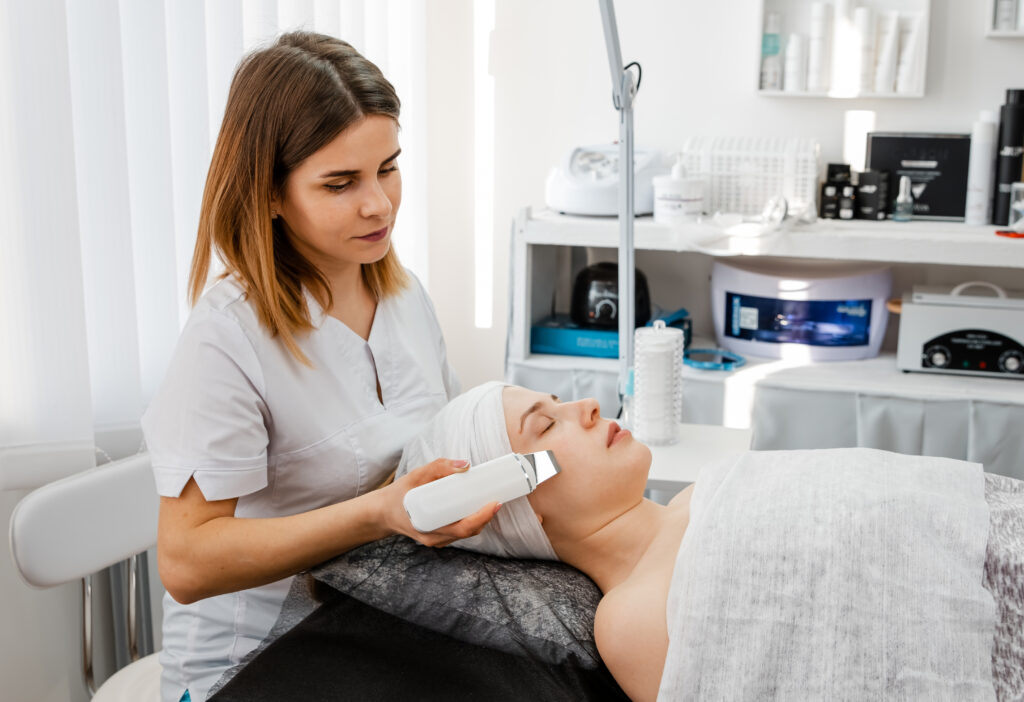
Professional microneedling treatments are performed in clinics using medical-grade devices that allow precise control over needle depth and treatment intensity.

Is At-Home Microneedling Safe?
At-home microneedling devices, often called derma rollers, are designed with shorter needles than professional devices. Because they do not penetrate the skin as deeply, they may provide mild exfoliation and improve product absorption.
However, performing microneedling at home carries certain risks if not done carefully. Improper technique, poor hygiene, or excessive pressure can damage the skin and increase the risk of irritation or infection.
Unlike professional treatments performed by trained practitioners, home treatments rely entirely on the user’s knowledge and care.
How Does Professional Microneedling Differ?
Professional microneedling treatments performed in clinics are significantly more controlled and effective than at-home devices. Medical practitioners use sterile equipment and adjust needle depth depending on the skin concern being treated.
Because deeper penetration is possible in clinical settings, professional microneedling can target concerns such as acne scars, wrinkles, and pigmentation more effectively.
Clinicians also follow strict hygiene protocols and provide appropriate aftercare guidance to protect the skin during healing.
Risks of Microneedling at Home
One of the main concerns with at-home microneedling is the risk of improper sanitation. If the device is not fully sterilised before use, bacteria can enter the skin through the micro-channels created by the needles.

Overuse or aggressive rolling can also cause redness, irritation, and even skin barrier damage. In some cases, people may accidentally worsen skin conditions such as acne or rosacea.
Another issue is incorrect needle depth. Many individuals are unaware of how deep needles should penetrate for different skin concerns, which can lead to ineffective treatment or unnecessary skin trauma.
When Should You Avoid At-Home Microneedling?
Microneedling should not be performed at home if you have active acne, skin infections, open wounds, or certain inflammatory skin conditions. These situations increase the risk of irritation and infection.
Individuals with sensitive skin or medical skin conditions should always consult a professional before attempting any form of microneedling.
Why Professional Treatment Is Often Recommended
While home devices may provide mild exfoliation, professional microneedling offers safer and more effective results. Trained practitioners assess skin type, select the correct needle depth, and perform the procedure using sterile medical equipment.
Professional clinics also provide tailored treatment plans and aftercare instructions to ensure optimal healing and results.
For concerns such as acne scarring, pigmentation, or deeper wrinkles, clinic-based microneedling treatments are generally the safest and most effective option.
Final Thoughts
So, can you do microneedling at home? Yes, mild at-home devices exist, but they should be used cautiously and with proper hygiene. These tools are not designed to replace professional microneedling treatments and usually deliver more limited results.
For safe, controlled, and effective outcomes, many patients choose to have microneedling performed by trained professionals in a clinical environment. A consultation can help determine whether the treatment is suitable for your skin and ensure the best possible results.