
Ovarian cysts are very common, and most women will develop at least one during their lifetime. Many cysts are harmless, cause no symptoms, and disappear naturally. Others may become painful, grow too large, or interfere with normal ovarian function, leading to the need for treatment.
One of the biggest concerns women have is: can removal of ovarian cyst cause infertility?
It’s an important question, especially for women who are planning a family now or in the future. This blog explains how ovarian cysts affect fertility, when surgery is needed, and what impact treatment may or may not have on reproductive health.
1. Do Ovarian Cysts Affect Fertility?
Most ovarian cysts do not affect fertility.
Functional cysts — caused by normal monthly hormone changes — disappear on their own and do not harm the ovary.
However, certain types of cysts may impact fertility if they:
- Grow large
- Distort ovarian structure
- Interfere with ovulation
- Cause long-term inflammation
Examples include endometriomas (related to endometriosis) and some persistent ovarian cysts.
But having a cyst doesn’t automatically mean fertility problems.
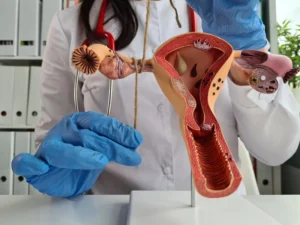
2. Can Removal of an Ovarian Cyst Cause Infertility?
Here’s the honest medical explanation:
Ovarian cyst removal rarely causes infertility when performed correctly by an experienced surgeon.
In most cases, the surgery is designed to protect the ovary, remove the cyst, and preserve fertility. Many women go on to conceive naturally after treatment.
However, can removal of an ovarian cyst cause infertility?
Yes — but mainly in specific situations, such as when:
- The cyst is very large or complex
- The cyst is deeply attached to ovarian tissue
- There is significant bleeding or scar tissue
- The ovary is damaged or needs partial removal
- Multiple surgeries have been performed previously
Even in these cases, total infertility is uncommon. Most women still have normal fertility after healing.
3. Types of Ovarian Cysts and Fertility Impact
Not all ovarian cysts behave the same. Different cysts come with different fertility implications.
Functional cysts
These form during menstrual cycles and usually disappear on their own. They do not affect fertility.
Dermoid cysts
Benign growths that typically don’t affect fertility unless very large.
Endometriomas
Common in women with endometriosis. These can affect fertility because endometriosis itself interferes with ovulation and egg quality.
Cystadenomas
Fluid-filled cysts that can grow large but usually don’t damage the ovary unless untreated.
Understanding the type of cyst helps determine if fertility could be affected before or after surgery.
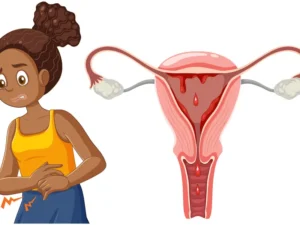
4. How Cyst Removal Surgery Works
Most ovarian cyst removals are done using laparoscopy (keyhole surgery), which is gentle, precise, and minimally invasive. The surgeon removes the cyst while trying to protect as much healthy ovarian tissue as possible.
The goal is:
- Remove the cyst
- Preserve ovarian function
- Reduce pain or complications
- Prevent torsion (twisting of the ovary)
Modern techniques are designed to be fertility-sparing.
5. When Can Ovarian Cyst Surgery Affect Fertility?
Although uncommon, fertility may be affected if:
- The cyst is deeply embedded in the ovary
Removing it may require removing surrounding tissue, reducing egg reserve. - The surgery triggers scar tissue (adhesions)
This can affect egg release or fallopian tube movement. - The cyst is linked to endometriosis
Endometriosis — not the surgery — is often the main cause of fertility problems. - The ovary needs partial or total removal
If one ovary is removed, many women still conceive naturally because the remaining ovary can continue to ovulate.
These risks are discussed carefully before surgery.
6. Does Ovarian Cyst Removal Improve Fertility?
In some cases, yes.
If the cyst is blocking ovulation or causing hormonal disruption, removing it can restore normal function and improve chances of conception.
Women with painful endometriomas sometimes see improved fertility after treatment, although results vary.
7. Can You Get Pregnant After Ovarian Cyst Removal?
Yes.
Many women conceive naturally shortly after healing.
Even if one ovary is affected or removed, the remaining ovary often compensates.
Successful pregnancy after cyst removal is very common.
8. What Happens If a Cyst Is Not Removed?
Leaving certain cysts untreated may cause:
- Pain
- Rupture
- Torsion (twisting)
- Irregular cycles
- Hormonal disruption
- Reduced ovarian function over time
Sometimes, treating a cyst actually protects fertility by preventing long-term damage.
9. When Should You Seek Medical Advice?
You should speak to a clinician if you experience:
- Persistent pelvic pain
- Severe period pain
- Irregular bleeding
- Pain during intercourse
- Bloating or pressure
- Difficulty conceiving
- A known cyst that is growing
A simple ultrasound can confirm the size and type of cyst.
10. Fertility After Surgery — What to Expect
Most women recover well. Ovulation usually returns within weeks. If fertility is a concern, your clinician may recommend:
- Hormone tests
- Ultrasound monitoring
- Specialist referral
- Timed intercourse or conception guidance
Many women successfully conceive even after complex cyst removal.

Conclusion
So, can removal of an ovarian cyst cause infertility?
In the majority of cases, no modern surgical techniques aim to protect fertility and preserve normal ovarian function. The risk exists but is low and usually linked to cyst type, size, and underlying conditions such as endometriosis.
If you have concerns about ovarian cysts, pelvic pain, or fertility, getting an accurate diagnosis and personalised advice is the best first step.
At Pinnacle Clinic Keighley, we’re here to support you with compassionate, clear, and medically safe guidance.