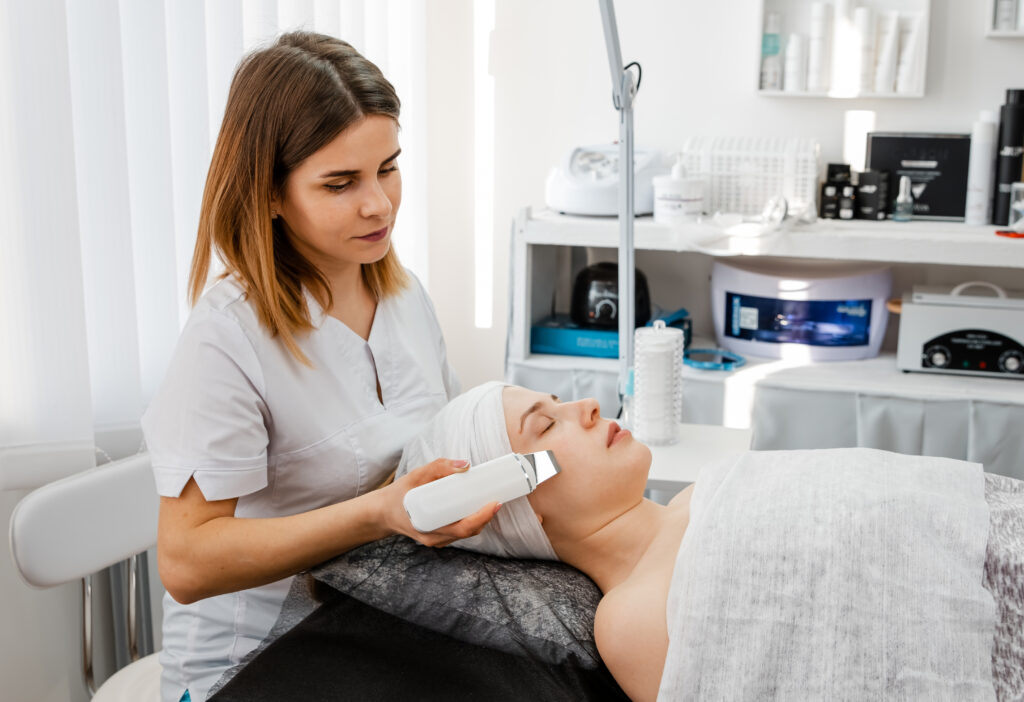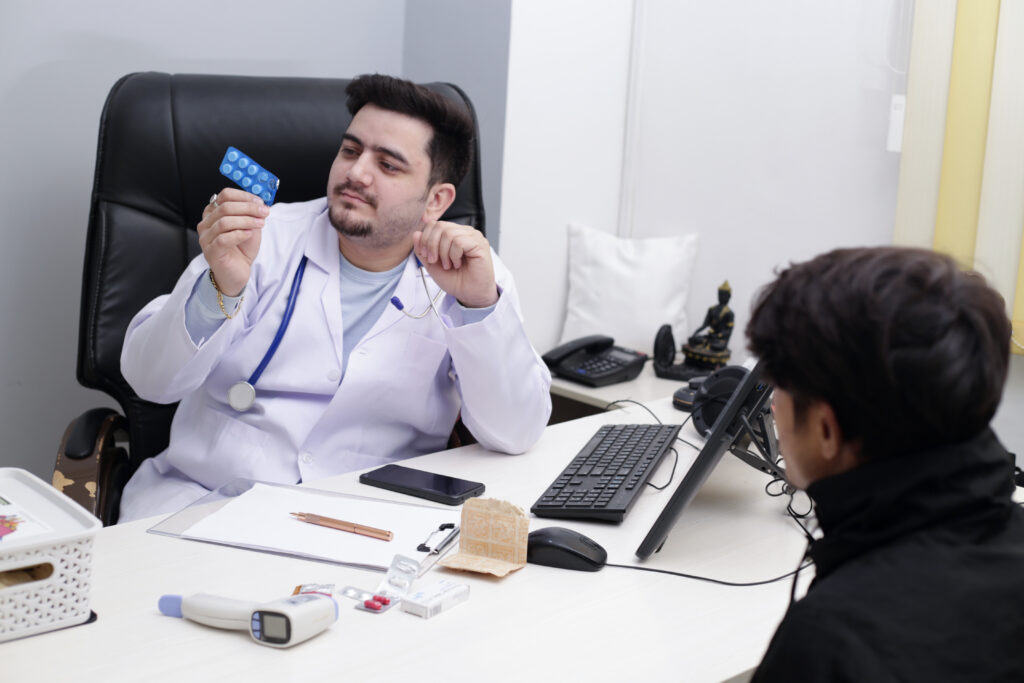
Botox is a quick, minimally invasive treatment, and one of its biggest advantages is that there is little to no downtime. However, many patients ask an important question straight after their appointment: can I exercise after Botox treatment?
While Botox does not require recovery time in the traditional sense, there are certain precautions to follow in the first 24 hours to ensure the best possible results. Understanding why exercise matters after treatment can help you avoid complications and protect your outcome.
Why Exercise After Botox Is a Concern
Botox works by relaxing targeted muscles. After injection, the product needs time to settle into the correct muscle groups. During the first few hours, the injected area is still adjusting.
Exercise increases blood flow, heart rate, and body temperature. Intense physical activity can potentially increase swelling or bruising and, in rare cases, may contribute to the product spreading slightly from the intended area. This is why clinicians advise temporary caution.

How Long Should You Wait Before Exercising?
Most medical professionals recommend avoiding strenuous exercise for at least 24 hours after Botox treatment. This includes activities such as weight training, running, high-intensity workouts, hot yoga, or anything that significantly raises your heart rate.
Light activities like gentle walking are generally safe, but anything vigorous should be postponed until the following day.
Waiting 24 hours allows the Botox to settle properly and reduces the risk of unwanted side effects.
What Could Happen If You Exercise Too Soon?
Exercising too soon after Botox is unlikely to cause serious harm, but it can increase certain risks. Increased circulation may raise the chance of mild bruising or swelling at injection sites. In rare situations, excessive movement or pressure on treated areas may slightly affect how the Botox distributes.
Although these risks are uncommon, it’s best to follow aftercare instructions carefully to protect your results.
Does Sweating Affect Botox?
Sweating itself does not deactivate Botox. However, activities that cause heavy sweating usually involve increased blood flow and heat exposure, which are best avoided immediately after treatment.
High-heat environments such as saunas, steam rooms, or hot yoga should also be avoided for at least 24 hours, as heat can increase swelling and irritation.

When Is It Safe to Resume Normal Workouts?
After 24 hours, most patients can safely return to their regular exercise routine. By this point, the Botox has begun settling into the targeted muscles.
If you notice any tenderness, bruising, or discomfort, it may be sensible to ease back gradually rather than jumping straight into intense activity.
Other Important Aftercare Advice
In addition to avoiding exercise for 24 hours, patients are typically advised not to rub or massage the treated areas, avoid lying flat for several hours after treatment, and limit alcohol consumption on the same day.
Following these simple precautions helps ensure optimal, natural-looking results.
Final Thoughts
So, can you exercise after Botox treatment? Yes — but not immediately. It’s best to wait at least 24 hours before resuming strenuous physical activity. This short break helps the treatment settle properly and reduces the risk of side effects.
Botox is a convenient treatment with minimal downtime, and with proper aftercare, you can quickly return to your normal routine while enjoying smoother, refreshed results.