Pregnancy is a time of significant physical and hormonal change. While many women experience the well-known “pregnancy glow”, others may notice pigmentation, acne, dryness, or sensitivity. This often leads to an important question: what aesthetic treatments are safe during pregnancy?
Because pregnancy affects the immune system, hormone levels, and skin sensitivity, not all aesthetic treatments are recommended during this time. Safety must always come first. In this detailed guide, we explain which treatments are generally considered safe, which should be avoided, and why professional advice is essential.
Why Extra Caution Is Needed During Pregnancy
During pregnancy, the body undergoes major hormonal shifts. Oestrogen and progesterone levels rise, which can affect skin pigmentation, oil production, and healing response. The immune system also changes, and the skin can become more reactive.
For this reason, treatments involving strong chemicals, injectables, laser energy, or medications are often postponed until after pregnancy. Even when certain treatments appear harmless, limited research on pregnant women means medical professionals prefer a cautious approach.
Are Facials Safe During Pregnancy?
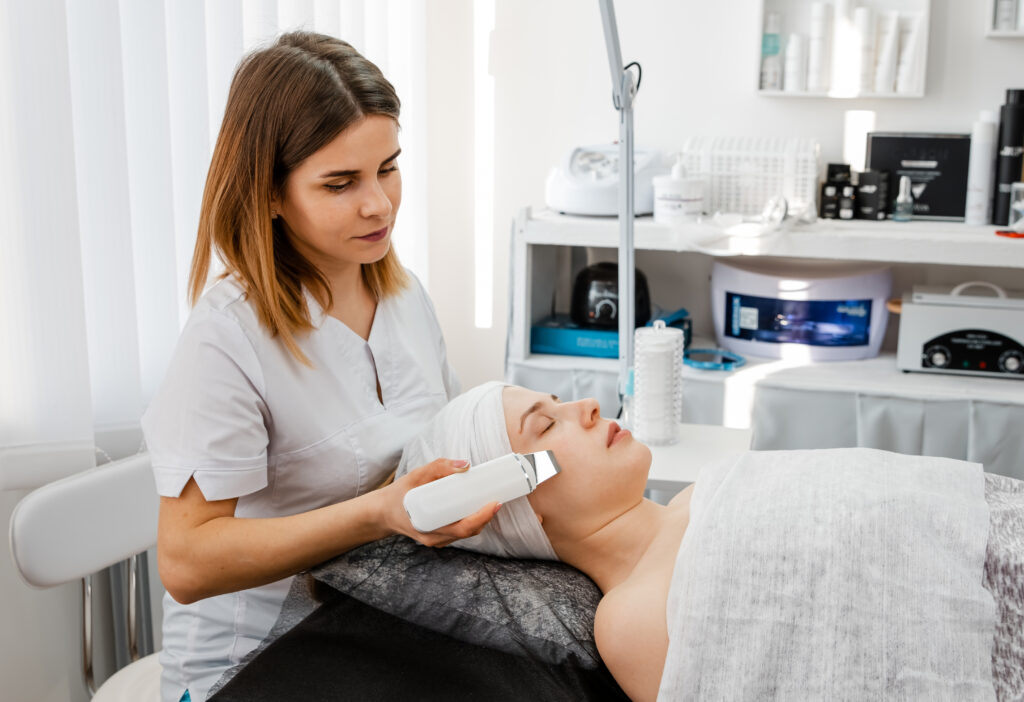
Gentle, non-invasive facials are generally considered safe during pregnancy. Hydrating facials, calming treatments, and mild cleansing procedures can help manage dryness and sensitivity without penetrating deeply into the skin.
However, it is important to avoid facials that use strong exfoliating acids, aggressive peels, or high concentrations of active ingredients. Always inform your practitioner that you are pregnant so products can be adjusted accordingly.
Is Dermaplaning Safe During Pregnancy?
Dermaplaning is a superficial exfoliation technique that removes dead skin cells and fine facial hair using a sterile blade. Because it does not involve chemicals, heat, or injections, it is often considered one of the safer aesthetic treatments during pregnancy.
That said, pregnancy can make skin more sensitive, so redness or mild irritation may be more noticeable. A consultation is essential to determine suitability based on your individual skin condition.
Are Hydrating Skin Treatments Safe?
Hydration-focused treatments that use gentle ingredients such as hyaluronic acid are typically safe. These treatments support moisture levels without penetrating deeply into the bloodstream.
For example, mild hydrating facials designed to restore glow and improve texture may be suitable. However, any treatment that combines strong acids, retinoids, or active resurfacing agents should be avoided.
What About Laser Treatments During Pregnancy?
Laser treatments are generally not recommended during pregnancy. Although there is limited evidence of harm, there is also insufficient research confirming safety. Because laser treatments deliver energy deep into the skin, most clinicians advise postponing them until after delivery.

This includes laser hair removal, skin resurfacing, and pigmentation treatments.
Are Anti-Wrinkle Injections Safe During Pregnancy?
anti-wrinkle injections and other injectable treatments are not recommended during pregnancy. Although there is no strong evidence showing harm, anti-wrinkle injections is a prescription medicine and has not been extensively studied in pregnant women.
As a precaution, medical professionals advise avoiding anti-wrinkle injections, dermal fillers, and other injectables until after pregnancy and breastfeeding.
Are Chemical Peels Safe During Pregnancy?
Superficial peels using very mild acids may sometimes be considered, but stronger chemical peels are generally avoided. Ingredients such as high-strength salicylic acid and retinoids are not recommended during pregnancy.
If pigmentation such as melasma develops during pregnancy, it is usually safer to manage it conservatively and consider more intensive treatments after childbirth.
Can You Have Microneedling During Pregnancy?
Microneedling is typically postponed during pregnancy. Although it is minimally invasive, it stimulates the skin’s healing process and may cause inflammation. Because the immune system changes during pregnancy, many clinics prefer to delay this treatment.
It is best to wait until after pregnancy for procedures that intentionally create controlled skin injury.
Safe Skincare During Pregnancy
In addition to professional treatments, safe skincare choices are important. Ingredients such as vitamin C, hyaluronic acid, gentle cleansers, and mineral sunscreens are generally considered safe.
Products containing retinol, high-dose salicylic acid, or certain prescription treatments should be avoided unless approved by a healthcare provider.

The Importance of a Professional Consultation
Every pregnancy is different. Skin type, medical history, and trimester stage all influence what may or may not be appropriate. Before booking any aesthetic treatment during pregnancy, a full consultation with a medically trained professional is essential.
A reputable clinic will prioritise safety over cosmetic goals and may advise postponing certain procedures until after delivery.
Final Thoughts
So, what aesthetic treatments are safe during pregnancy? In general, gentle, non-invasive treatments such as mild facials, dermaplaning, microneedling and hydration-focused therapies may be suitable. However, injectables, laser treatments, strong chemical peels, and aggressive resurfacing procedures are usually avoided as a precaution.
Pregnancy is temporary, but your safety and your baby’s well-being are the priority. Choosing a cautious approach ensures you protect both while still caring for your skin in a safe and supportive way.