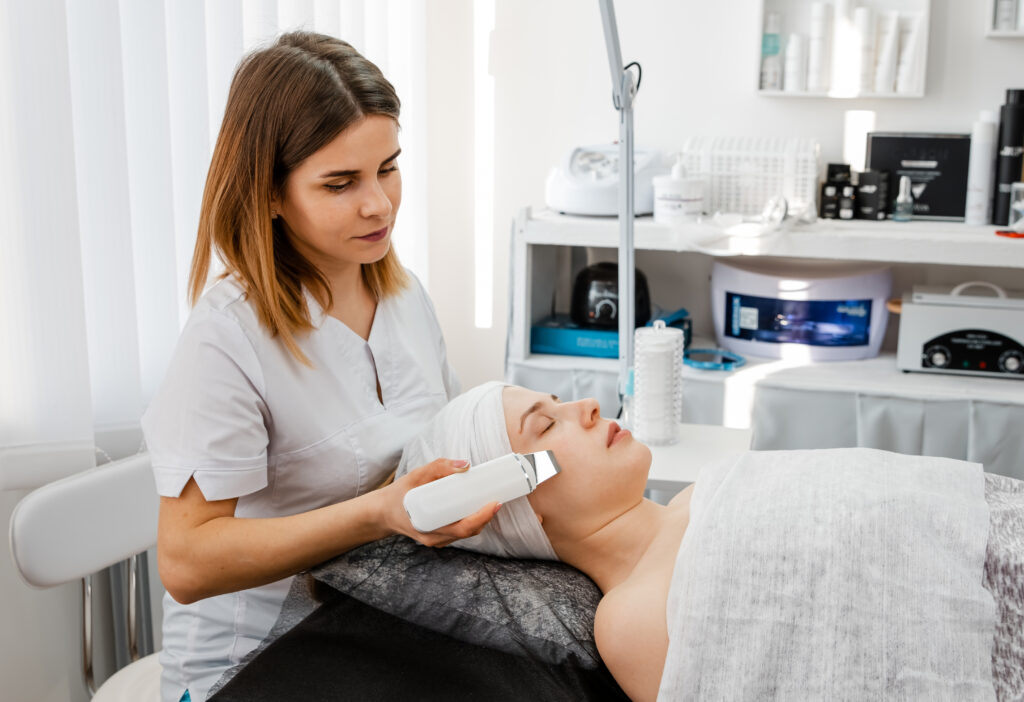
Pregnancy is a beautiful journey but it also comes with huge changes to your body and skin. Many women notice shifts in texture, tone, or sensitivity and start exploring gentle ways to maintain their glow. One of the most popular modern treatments for rejuvenation is microneedling. But a question we’re often asked at Pinnacle Clinic Keighley is: can you have microneedling when pregnant?
This blog offers clear, professional guidance to help you understand how microneedling works, why it’s not suitable during pregnancy, and what safer alternatives are available.
→ What Is Microneedling?
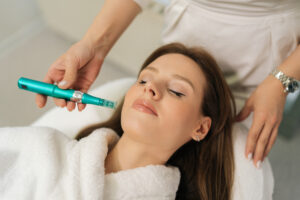
Microneedling, sometimes called collagen induction therapy, uses very fine needles to create micro-channels in the skin. These tiny, controlled injuries stimulate the body’s natural healing process, encouraging collagen and elastin production.
The result is smoother, firmer, more radiant skin — making it a favourite for treating:
- Fine lines and wrinkles
- Uneven tone or pigmentation
- Acne scars and enlarged pores
- Stretch marks and general dullness
It’s an incredibly effective treatment for many people. However, it’s also one that requires careful timing and consideration — especially during pregnancy.
→ Can You Have Microneedling When Pregnant?
The short, honest answer is no. Microneedling is not recommended during pregnancy. While it’s a safe procedure for most adults under normal conditions, the body and skin behave very differently when you’re expecting.
Pregnancy changes hormone levels, immune response, and skin sensitivity. Treatments that were perfectly comfortable before can suddenly cause irritation or unpredictable reactions.
At Pinnacle Clinic, we place patient safety first. We advise all expectant mothers to avoid microneedling and similar invasive skin treatments until after giving birth (and, ideally, after finishing breastfeeding).
→ Why Microneedling Should Be Avoided During Pregnancy
1️⃣ Skin Sensitivity and Inflammation
During pregnancy, hormonal fluctuations can make the skin more reactive. Even gentle treatments may cause redness, swelling, or discomfort. Microneedling intentionally creates small wounds in the skin, and heightened sensitivity can make the experience painful or lead to prolonged inflammation.
2️⃣ Infection Risk
Microneedling involves breaking the skin barrier, which introduces a minor but real risk of infection. Under normal circumstances, this risk is extremely low with professional hygiene standards. However, during pregnancy, a woman’s immune system is naturally more delicate, and it’s important to avoid even small risks of infection that could affect mother or baby.
3️⃣ Body’s Healing Priorities
Microneedling relies on the body’s healing ability to trigger collagen regeneration. During pregnancy, the body’s resources are focused on supporting the developing baby, not repairing micro-injuries in the skin. This can slow healing or reduce results.
4️⃣ Hormonal Pigmentation
Pregnancy often brings pigmentation concerns such as melasma (known as “the mask of pregnancy”). Microneedling can sometimes make pigmentation worse if performed while hormones are fluctuating, leaving dark patches more visible instead of lighter.
→ Common Skin Changes During Pregnancy
Understanding your skin helps you care for it better. These are some of the most common skin changes pregnant women notice:
• Pigmentation and Uneven Skin Tone
Melasma and dark patches around the cheeks, forehead, or upper lip are common. These usually fade after pregnancy but can be persistent.
• Acne and Breakouts
Hormonal activity can trigger excess oil production, even in women who have never had acne before.
• Dryness or Sensitivity
Some expectant mothers notice their skin becoming dry, itchy, or easily irritated by products they once tolerated.
• Stretch Marks
As the skin stretches, especially around the abdomen and thighs, collagen fibres tear slightly, causing visible marks.
These are all natural and temporary changes, but gentle, well-chosen skincare can help keep the skin comfortable and healthy during this time.
→ Safe Skin Treatments During Pregnancy
Just because microneedling is off the list doesn’t mean you can’t care for your skin. There are many pregnancy-safe options that nourish and protect without risk.
1️⃣ Gentle Facials
Non-chemical facials using soothing, natural ingredients can deeply cleanse and hydrate without irritation. Look for ones rich in aloe vera, chamomile, or hyaluronic acid.
2️⃣ LED Light Therapy
Low-level LED light therapy is a non-invasive option that can calm inflammation, reduce mild acne, and boost radiance. It doesn’t break the skin or use heat, making it safe for most pregnant women.
3️⃣ Vitamin C and Hyaluronic Acid Serums
These are excellent for hydration and brightening. They support skin health and barrier protection — ideal for sensitive or dry pregnancy skin.
4️⃣ Lactic Acid Exfoliation
A mild lactic acid peel (performed under professional guidance) gently removes dead skin cells without harsh chemicals, helping improve tone and texture safely.
5️⃣ Deep Hydration Masks
Regular moisture masks or gentle at-home steam treatments can restore elasticity and give that healthy glow, safely and naturally.
→ What to Avoid During Pregnancy
Some treatments and ingredients are not safe for expectant mothers. At Pinnacle Clinic, we strictly follow MHRA and ASA guidance to ensure no potentially harmful treatments are suggested.
Avoid the following during pregnancy:
- Microneedling or any skin-puncturing procedure
- Chemical peels (medium to deep strength)
- Injectable treatments like anti-wrinkle injections or dermal fillers
- High-dose retinoids (Vitamin A) in creams or serums
- Salicylic acid and other harsh exfoliants
- Laser resurfacing or high-heat skin procedures
Your safety always comes first — glowing skin should never come at the expense of wellbeing.
→ Alternative Skin-Care Routine for Expectant Mothers
Creating a gentle daily skincare plan during pregnancy can keep your complexion fresh and balanced. Here’s a simple, safe routine recommended by our clinicians:
Morning Routine:
- Cleanse with a mild, fragrance-free face wash
- Apply a vitamin C serum for brightness
- Use a hydrating moisturiser
- Finish with broad-spectrum SPF 30 or higher
Evening Routine:
- Remove makeup with micellar water
- Cleanse again to clear pores
- Use hyaluronic acid serum for moisture
- Apply a nourishing night cream with peptides or ceramides
Consistency matters more than intensity — gentle care every day beats harsh treatments once in a while.
→ Post-Pregnancy Treatments: When Is Microneedling Safe Again?
Once you’ve had your baby (and ideally after finishing breastfeeding), it’s usually safe to consider skin treatments again. However, it’s best to book a consultation first to ensure your skin has fully recovered from hormonal changes.
Microneedling after pregnancy can help with:
- Stretch marks from pregnancy
- Uneven tone or texture caused by hormonal pigmentation
- Acne scarring or enlarged pores
- Loss of firmness due to collagen depletion
At Pinnacle Clinic Keighley, our clinicians use sterile equipment, medical-grade serums, and controlled settings to deliver results safely.
→ Why You Should Always Consult a Professional
Every pregnancy is unique. Factors like skin condition, health history, and medications can all influence what’s safe. Consulting a qualified professional ensures you get advice tailored to you, not generic online suggestions.
Our team at Pinnacle Clinic includes medical practitioners trained to assess skin conditions under CQC-regulated standards. We’ll never recommend a treatment that could risk your safety or comfort.
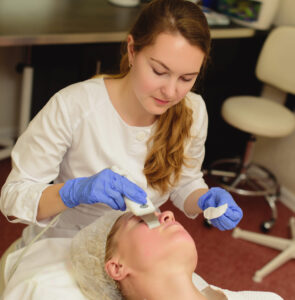
→ The Science of Collagen and Hormones
During pregnancy, the body produces relaxin and estrogen, which affect connective tissues. These hormones can make the skin more elastic — but also more sensitive and reactive.
Microneedling’s purpose is to stimulate collagen regeneration, yet when hormones are fluctuating, the collagen response can be unpredictable. Some patients may heal unevenly or experience pigmentation, which is why professional clinics postpone collagen-stimulating treatments until after delivery.
→ Nurturing Confidence During Pregnancy
Many women feel pressure to maintain a certain image during pregnancy. Social media often adds to this, showing picture-perfect “pregnancy glow” photos. At Pinnacle Clinic, we encourage a realistic, compassionate approach.
Pregnancy is a time for nurturing, resting, and allowing the body to change naturally. Your skin tells the story of this journey — and with proper care, it will recover beautifully post-pregnancy.
→ Safe Beauty Tips from Our Practitioners
- Stay hydrated: Aim for 6–8 glasses of water daily to support elasticity.
- Use sunscreen: Protect against pigmentation with SPF 30+.
- Get enough sleep: Rest supports cellular renewal and helps your skin regenerate naturally.
- Eat nutrient-rich foods: Omega-3, Vitamin E, and zinc all contribute to healthy skin.
- Avoid harsh salon treatments: Always check with your doctor before trying any new product or service.
→ When to Seek Advice
If you experience sudden or severe skin changes during pregnancy — such as rashes, itching, or extreme pigmentation — it’s important to consult a doctor. Some symptoms could indicate conditions like pruritic urticarial papules and plaques of pregnancy (PUPPP) or cholestasis, which require medical attention. Our clinicians are always available to guide you and coordinate care with your midwife or GP if necessary.
→ Conclusion
So, can you have microneedling when pregnant?
No — it’s best to wait. While microneedling is an effective rejuvenation treatment, pregnancy isn’t the right time for it. The body’s priorities shift, and your skin deserves gentler care.
At Pinnacle Clinic Keighley, we provide evidence-based skincare advice and non-invasive treatments to help expectant mothers look and feel their best safely. After pregnancy, we’ll be ready to help you restore and refresh your skin with confidence.